Service Area Pages vs Location Pages: Which Converts Better?
Service area pages and location pages serve different purposes — and choosing the wrong type can cost you leads that were already searching for exactly what you offer. The right choice depends on how your business serves customers and what those customers are actually searching for.
| Page Type | Best For | Primary Conversion Driver |
|---|---|---|
| Location Pages | Businesses with physical storefronts customers visit | Map, NAP, hours — “I know where to go” |
| Service Area Pages | Businesses that travel to customers (plumbers, roofers, cleaners) | Coverage clarity — “They come to me” |
| Both Combined | Businesses with one location serving surrounding areas | Trust + coverage = maximum local reach |
What Are Service Area Pages and Location Pages?
Service Area Pages
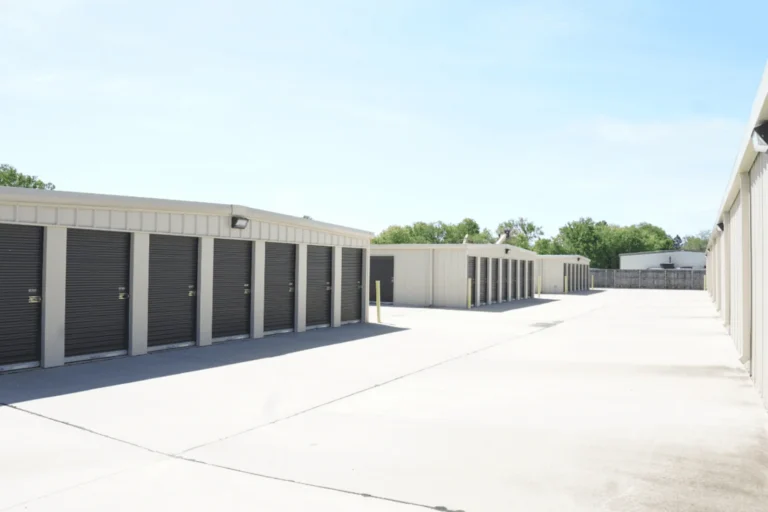
Service area pages discuss what a business offers in specific areas without providing a street address. These pages are built for businesses that travel to customers — roofers, plumbers, landscapers, home cleaners, and other mobile service providers. A service area page tells visitors which towns or regions you cover, what services you provide, and that you come to them. They help search engines match your business to customers searching for service providers in their area, even without a local storefront.
Location Pages
Location pages are business landing pages for a real, visitable physical address. They typically include the business name, actual address, phone number, operating hours, and an embedded map. They’re built for retail stores, clinics, salons, restaurants, and any business where customers walk through the door. Good location pages also feature customer reviews, directions, and photos. The goal is to convert search interest into physical visits and in-store purchases.
Content Requirements and Conversion Drivers
Both page types have specific content requirements that drive conversion — and both share a common foundation: they must directly answer what a local searcher is typing.
Location Page Content Requirements
Location pages need correct NAP data (name, address, phone), accurate operating hours, an embedded map, and clear directions. Customer reviews, real photos of the location, and detailed service descriptions all contribute to higher rankings and stronger trust. Contact buttons must be easy to tap on mobile screens. A clear call to action that moves visitors from browsing to contact is essential — without one, even well-optimized pages fail to convert interest into appointments.
Service Area Page Content Requirements
Service area pages should clearly state what services you provide, the problem you solve, and which towns or neighborhoods you cover. Include specific geographic details — neighborhood names, nearby landmarks, surrounding communities — to increase local relevance. Detailed pages that answer real customer questions convert significantly better than vague coverage claims. Contact options at the top of the page — phone numbers and contact forms — make it easy for ready-to-buy visitors to act immediately.
Many businesses benefit from combining both page types: a main location page that builds trust with contact details and reviews, plus service area pages that capture “near me” searches from surrounding communities. Matched pages convert better because searchers feel directly understood.
Frequent Mistakes That Kill Local Page Conversions
| Mistake | Impact on Conversion | Fix |
|---|---|---|
| Duplicate content across pages | Pages fail to rank; authority diluted | Write unique, locally-specific content for every page |
| Missing or outdated contact info | Conversion drops immediately | Audit all pages quarterly for accuracy |
| No mobile optimization | Most local searches are on mobile — slow pages lose visitors | Test every page on mobile, optimize Core Web Vitals |
| No call to action | Visitors browse but don’t contact | Add phone number and contact form above the fold |
| No map on location pages | Visitors who are nearby don’t select you | Embed Google Map on every location page |
| Ignoring reviews/social proof | Trust gap prevents conversion | Feature recent reviews prominently on every page |
Let M6 Marketing Help You With Service and Location Pages
Choosing between service area pages and location pages — or knowing how to combine them effectively — requires understanding both how your business operates and how your customers search. M6 Marketing reviews your existing pages, recommends structural improvements, and creates content targeted to what your local customers actually need. Good local visibility should not be guesswork — it should be a steady, predictable flow of leads from the right searches to the right pages.
Q&A: Service Area Pages vs Location Pages Questions Answered
Tap any card to reveal the answer.
Content produced for M6 Marketing · Faith-aligned digital marketing for Catholic companies and organizations
 Work With M6 Marketing
 M6 Services
 Related Articles