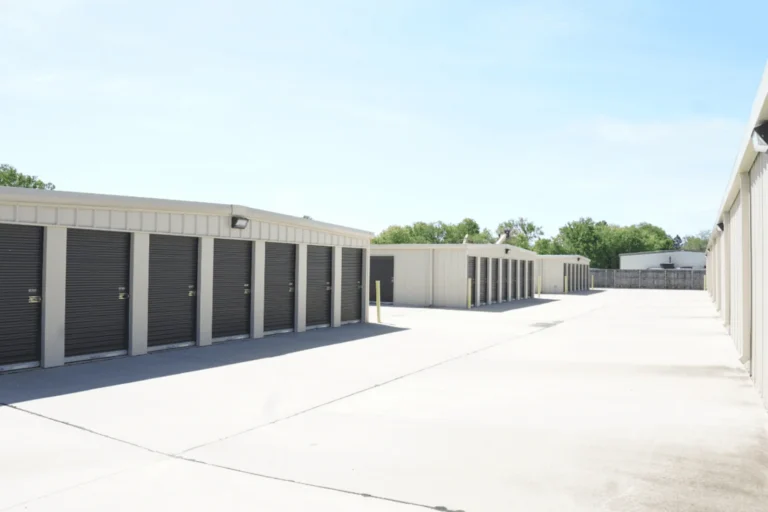

The goal is simple: turn your existing traffic, your local presence, and your call center into a steady stream of move‑ins you fully own, not just leads you rent from a marketplace. The seven plays below focus on levers a facility operator can control: pricing, promotions, local SEO, reviews, conversion on the phone and online, and community presence. Used together, they can fill units faster while strengthening the value of your brand, not someone else’s.
Why You Need A SpareFoot‑Free Plan
Self-storage units are in demand, considering that 1 in 5 Americans rent these storage facilities. Many storage businesses claim to enjoy long waitlists and huge profits, making it seem like they have occupancy rates of 100%! Especially in the months of spring, when Americans are more likely to relocate to other cities/states and rent storage units to keep their belongings.
But even though June is the busiest month for storage facilities, there were 23 million individual storage units in the United States in 2018 (a number that must have grown in the past eight years). That’s why many storage facility owners (especially the Catholic ones) observe a stark decline in occupancy rates. They embrace marketplaces like SpareFoot to boost visibility, but what they really need is a SpareFoor-free plan that helps them stand on their own feet…
What It Means to Ditch SpareFoot
When occupancy drops or a new competitor opens nearby, it feels easy to throw more budget at aggregators and lead‑gen platforms. They can move units, but they also condition tenants to see you as a commodity and train your team to depend on outside demand. Over time, you end up paying for leads in markets where you could have driven your own traffic.
A SpareFoot‑free plan does not mean you never use marketplaces. It means your core strategy does not rely on them. You build your own brand, your own pipeline of calls and clicks, and your own systems to convert those interactions into occupied units. That keeps more margin in the business and gives you more control over pricing and positioning.
A strong plan starts with two questions: who is your ideal tenant for this site, and how are they actually finding storage today? A college town with heavy move‑in seasons will look different from a suburban market where families store long‑term. Understanding your demand patterns helps you pick seven plays that fit your location, rather than chasing every possible tactic.
The plays below work best when you are clear about your ideal customer and honest about your current weaknesses in visibility, value perception, and conversion optimization.
Play 1: Tune Your Street‑Level Pricing And Offers
Your pricing and promotions are the first lever for filling units quickly, and they are often under‑managed. Many operators set rates once, compare against a few competitors, and then let them ride.
To fill units fast, you need prices that make sense for your real market, not just your pro forma. That means looking at the mix of unit sizes, your true current occupancy by size and floor, and what nearby facilities actually advertise, not just what they say they charge.
Your goal is not to win a race to the bottom. It is to offer a clear, compelling value at the exact unit types you want to move.
Use Targeted Offers
Targeted offers work better than blanket discounts. Instead of “half off first month on everything,” consider focused promotions on under‑occupied sizes or units in less desirable locations within the building, combined with honest messaging about why the offer exists.
You can use offers like “move‑in special on upstairs 10x10s when you sign by [date]” or “introductory rate on non‑climate units for small business storage.” This focus keeps you from training your whole customer base to expect deep discounts and protects revenue on units and sizes that already sell well. It also gives your team concrete talking points when someone calls, which speeds up decisions and improves close rates.
Play 2: Turn Your Google Business Profile Into A Lead Machine
For many prospects, the journey to your facility begins and ends on your Google Business Profile. They search “storage near me,” tap the map, scan ratings, check hours, and either call or move on. If your profile is incomplete or neglected, you lose easy wins.
To fill units fast without a marketplace, your profile must act like a mini‑website and a trust signal all in one. That starts with clean, accurate information on hours, location, access details, and contact information. It continues with high‑quality photos that show the facility as it really is: clean, secure, well‑lit, and easy to access.
Focus on Reviews & Testimonials
Reviews are the engine here. A strong rating with frequent, recent reviews does more to move the phone than almost any ad copy. Make reviews a daily habit, not an occasional push.
- After a smooth move‑in or a positive interaction, train your team to invite the tenant to leave a review, and make it easy by sending a direct link via text or email.
- Focus the task around sharing their experience with cleanliness, staff helpfulness, and the move‑in process, rather than begging for “5 stars.”
Over time, this builds a review profile that reassures new prospects and helps you rank higher in local search results, which translates directly into more calls that you do not have to buy from anyone.
Play 3: Build A High‑Intent Landing Experience That Converts
Google Ads and organic search can drive plenty of traffic, but if your site fails to convert, you are pouring water into a leaky bucket. Filling units fast requires a landing experience that answers the real questions tenants have and directs them quickly to a decision.
That means simple navigation, clear unit availability, straightforward pricing, or at least transparent ranges, and prominent calls to action for both booking online and calling the facility. The page should make it obvious which unit sizes and features are right for typical use cases like “moving a 2‑bedroom apartment” or “storing seasonal business inventory.”
What Should Your Landing Page Look Like?
Copy and layout matter. Dense blocks of marketing jargon impress few people, especially when someone is stressed about a move or a deadline.
- Use plain, direct language about security, access hours, climate control, and on‑site support.
- Highlight real differentiators like drive‑up access, loading docks, elevators, carts, or extended gate hours. Include honest photos of the units, hallways, and lot, not just stock imagery.
- Make your phone number clickable, your unit selection tool easy to use, and your online reservation flow short and clear.
Every friction you remove between “search” and “reservation” increases the odds that a prospect chooses you now instead of tabbing back to compare more competitors.
Play 4: Fix Your Phone Game And Call Handling
If your phone process is weak, no amount of demand generation will fill units efficiently. Many facilities treat the phone as a reactive channel: answer when it rings, give rates when asked, and hope the caller comes in.
To fill units fast, you need a proactive approach. That means a call script that guides the conversation without sounding robotic, clear expectations for how staff should greet callers, ask questions, and lead them to a specific unit recommendation, and training on how to handle common objections about price, location, or access.
What should a Call Flow Look Like?
A strong call flow typically starts with a warm greeting, then a quick discovery question like “tell me what you are storing and when you need to move in,” followed by a confident suggestion: “based on that, most people like you use our [unit size] with [feature], and we have availability now.”
From there, staff should invite the prospect to reserve today, not just give a rate and leave the decision open‑ended. Even if the caller is not ready to commit, capturing their contact information for a follow‑up can save otherwise lost leads.
Recording and reviewing calls, especially during slower seasons, gives you concrete material for coaching and lets you see how often staff actually ask for the move‑in rather than waiting for the prospect to drive the outcome.
Play 5: Run Local Offers And Partnerships That Actually Move Units
Beyond digital channels, local partnerships and promotions can drive a surprising volume of high‑quality tenants when designed with intention. Instead of generic “we exist” sponsorships, focus on relationships that put your facility in front of people at the exact moment they encounter storage‑related problems.
Moving companies, real estate agents, apartment complexes, student housing offices, and local business associations all sit close to those decision points. A simple, consistent referral arrangement, combined with good service, can create a steady pipeline without ongoing ad spend.
Local Offers and Incentives
For example, you might offer moving companies a small incentive or joint discount when they recommend your facility to clients who underestimate space needs. Realtors and property managers can use your facility as a solution for staging, downsizing, or temporary storage between closings. Student housing offices can include your information in their move‑out communications, especially when dorms close for the summer.
These partnerships work best when you make them easy: one contact person, clear referral cards or links, and reliable operations that make your partners look good when they send someone your way. Over time, this local network acts like a human version of an aggregator, but one you influence directly.
Play 6: Use Targeted Paid Search And Retargeting On Your Own Terms
You can move units quickly by using paid search and simple retargeting campaigns that you control end to end. The key is focus. Broad, unfocused campaigns waste money and offer little more than what a marketplace would provide.
High‑intent campaigns target specific storage phrases in your service area, such as “storage near [neighborhood],” “climate-controlled storage [city],” or “RV storage [city].” Your ads should speak plainly to those needs and lead to dedicated pages that answer them, not just your homepage.
When you track calls and online bookings properly, you can see which keywords and campaigns produce actual move‑ins and concentrate budget there.
Retargeting Made Easier
Retargeting helps you rescue prospects who visit your site, compare a few options, and leave without booking. A modest retargeting campaign that shows clear, benefit‑driven messages to recent visitors can remind them of your facility when they are ready to decide. Keep the messaging direct: highlight ease of access, cleanliness, security, or a current move‑in special for specific unit types.
Avoid over‑frequency, since most people decide on storage quickly, and an ad that chases them for weeks feels more annoying than persuasive. The goal is to stay present during their short decision window, not to follow them indefinitely.
Play 7: Layer In Simple Email And SMS Follow‑Up
Many storage operators treat every interaction as one‑and‑done. A prospect calls, gets information, and either books or disappears. To fill units fast, especially in competitive markets, you need a follow‑up rhythm that recovers some of those lost opportunities. This does not require a complex CRM, though that can help.
At minimum, train staff to capture name, phone, and email from serious prospects, especially those who express clear interest but hesitate to decide. Then, set expectations: “I will follow up with you tomorrow with a recap and see if you have any questions.”
How to Follow Up Properly
A short sequence of follow‑ups can do much of the work. An email or text within a few hours can recap the recommended unit, rate, and any limited‑time offer. A second touch the next day can check in and offer to answer questions or hold the unit for a specific move‑in date. If they still do not book, a final reminder a few days later can invite them to reach out if plans change.
All messages should respect the person’s time and avoid pressure. Simply being the facility that stays responsive and helpful often wins the business when prospects feel overwhelmed by moving tasks.
Own Your Demand and Fill Units With Confidence
In the end, filling your storage units in Tulsa, OK, or any other location requires partnering with a faith-based marketing agency that understands the plight of Catholic self-storage facility owners and the unique challenges they face. That’s why you can consider M6 Marketing as your go-to marketing partners in this journey. We’ll help expand your business by offering you affordable & reliable conversion optimization services.
Don’t forget to read our complete guide on “Self Storage Marketing Agency: How to Fill Your Units and Keep Them Full” to learn how to keep your storage facility’s occupancy rate at the max level. Learn all the necessary techniques from experts.
FAQs
How fast can these plays start to move my occupancy?
If you already have some traffic, improvements to Google Business Profile, phone handling, and targeted offers can start to move the needle within 30 to 60 days. Plays like local partnerships and content‑driven SEO take longer but build more durable demand over time.
Do I need a big marketing budget to make this work?
No, many of these plays focus on optimizing what you already have: your profile, your website, your phone process, and your local relationships.
What if my team is small and already stretched thin?
Start with the plays that require more process than headcount, such as tightening your phone script, asking for reviews after positive interactions, and cleaning up your Google Business Profile.
Is it ever smart to use SpareFoot or similar marketplaces?
Marketplaces can act as a short‑term bridge in very soft markets or during lease‑up phases for new facilities. The key is to treat them as one channel among many, with clear performance targets and a plan to reduce reliance as your own demand engine matures.
How do I know which of the seven plays to prioritize first?
Look at your current bottleneck. If calls are low but web traffic is decent, focus on conversion plays like call handling and landing pages. If traffic is low across the board, prioritize local SEO, Google Business Profile, and targeted search campaigns.
 Work With M6 Marketing
 M6 Services
 Related Articles