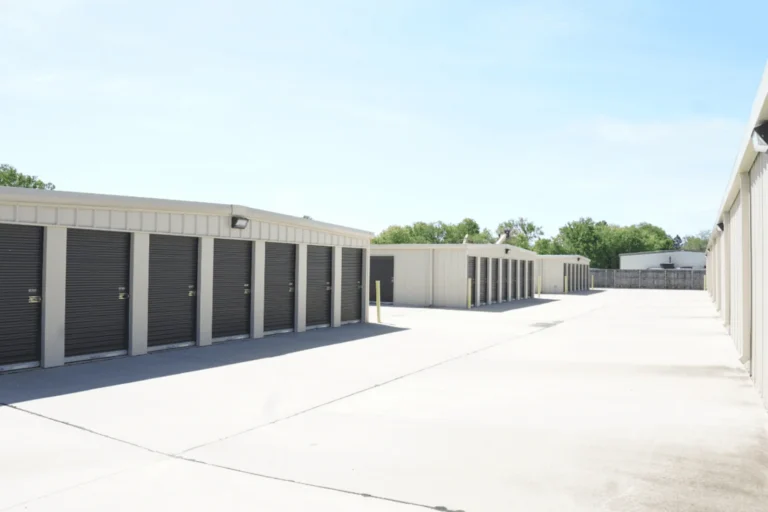

Filling climate-controlled units is its own marketing challenge. Most operators already run targeted PPC ads and invest in SEO to capture local search traffic. However, the prospects who want a climate-controlled unit are different from those shopping for standard storage. They usually have sensitive or high-value items to protect, such as solid wood furniture, paper records, artwork, and fabrics.
Effective climate-controlled storage marketing speaks to those renters directly. That means getting your Google Business Profile right, building focused landing pages, organizing paid search around climate-control intent, and setting up smart retargeting. Done well, it keeps these premium units occupied year-round.
Why Renters Choose Climate-Controlled Units Over Standard Storage
A standard drive-up unit costs less than a climate-controlled one. To market the premium option well, you need to understand why renters willingly pay more. Four motivations come up again and again.
Protection Against Humidity and Material Damage
Excess humidity can ruin stored belongings. Wood swells and warps, fabrics develop mildew, and paper curls. Harvard Health noted in a 2025 article that high humidity encourages mold growth [Add link to the Harvard Health article]. Standard units protect belongings from rain and direct sun, but they offer little defense against moisture. A climate-controlled unit keeps temperatures steady, and many facilities also regulate humidity. That combination helps protect items from warping, mildew, and mold.
Safeguarding High-Value and Sentimental Items
For basic items, a standard unit often works fine. Plastic bins, lawn tools, patio sets, and general inventory rarely need special conditions. Irreplaceable possessions are another story. Family heirlooms, fine art, vintage instruments, high-end furniture, and photo albums are exactly what many renters want in a climate-controlled space.
Dust Reduction and Building Cleanliness
Climate-controlled units usually sit inside enclosed buildings, often with multiple floors. Indoor access keeps dust, dirt, wind, and pests away from tenants’ belongings. For that reason, renters storing delicate electronics or office archives may choose climate control for cleanliness alone. Clean interior hallways also make the unit a comfortable long-term option.
Comfortable Access During Extreme Weather
Summer heat waves are a real concern across much of the country, including Oklahoma and Texas [Optional: add a current news link on regional heat]. Indoor, climate-controlled hallways let tenants load and unload without standing in triple-digit heat. They also protect heat-sensitive items, such as electronics, photographs, and vinyl records, from temperature swings.
Defining the Target Renters
Residential and commercial renters choose climate control for different reasons. As a result, each group needs its own message.
Residential Renters
Homeowners often look for storage while selling, renovating, downsizing, or decluttering. They may need space for home furnishings, antiques, musical instruments, or personal collections. To reach this group, highlight how clean your facility is and how interior loading bays protect belongings from the weather. Ads for this segment can also feature keycard access and climate monitoring, if your facility offers them.
Commercial Renters
Commercial prospects include law firms storing paper archives and sales reps managing non-regulated inventory. Interior designers staging furniture and eCommerce businesses holding stock are strong prospects, too. These accounts want reliable, consistent conditions and easy billing. Ads aimed at them should emphasize multi-layer security and vendor access policies.
Note: Storing specialized items like pharmaceuticals or medical inventory may involve specific regulatory standards. Review local legal guidelines and your facility’s capabilities before targeting regulated commercial categories.
Core Digital Channels for Climate-Controlled Storage
Climate-controlled prospects search, scroll, and compare across several channels. The sections below cover where to reach them.
SEO and Local Search
Most climate-controlled storage searches include a location, such as a city name or “near me.” These searchers want a facility close to home or work, so your Google Business Profile carries a lot of weight. For climate-controlled units specifically, focus on three areas:
- Primary category. Set it to “Self-Storage Facility,” and skip unrelated secondary categories that could muddy your relevance.
- Attributes. Choose attributes that accurately reflect your amenities, including climate control.
- Products. Create individual product cards for each climate-controlled size, such as “5×10 Climate” and “10×10 Climate,” with photos and starting rates.
For the full setup, see our guide to Google Business Profile for storage facilities.
High-Intent Paid Search Campaigns
Paid search puts you in front of renters who need climate-controlled storage right now. The key is organizing campaigns into focused ad groups by intent:
| Ad Group | What It Targets | Example Searches |
|---|---|---|
| Direct climate search | People searching for climate control by name. Most searchers skip the hyphen. | “climate controlled storage near me,” “air conditioned storage units” |
| Item-specific search | People with a particular item to protect, often furniture or documents | “furniture storage,” “document storage” |
| Commercial search | Businesses looking for consistent conditions | “commercial inventory storage” |
Visual Marketing on Meta Platforms
Facebook and Instagram let you show prospects how clean your facility is. Video walkthroughs and photos work well when they focus on well-lit hallways, epoxy floors, electronic keypad entry, and covered loading bays. This visual proof builds credibility with renters who care about conditions. Carousel ads are especially useful, since each card can pair a unit size with the items it holds comfortably.
Keep paid social campaigns limited to your primary trade area. For most facilities, that’s a 3- to 5-mile radius. Using the same radius in Meta and Google Ads keeps all of your ad spend focused on where your tenants actually come from.
Retargeting and Audience Segmentation
Climate-controlled prospects often compare options for days or weeks, so many return to your site more than once. Retargeting keeps your facility in front of them during that window. For climate-controlled units, tailor the message by segment:
- Homepage visitors need trust signals, like security highlights and an overview of amenities.
- Climate unit page viewers should see real-time availability, your temperature and humidity ranges, exact monthly rates, and unit size guides.
- Checkout abandoners respond best to direct incentives, such as a discounted first month or a free lock with an online reservation.
- Current tenants should be excluded from acquisition campaigns entirely.
For channel setup, exclusion lists, and budgets, see our full guide to self storage retargeting.
PMS Tracking and Consent
Most operators take reservations through a property management system (PMS). When a visitor clicks “Rent Now,” they usually land on a checkout page hosted by the PMS vendor on a separate domain. Without cross-domain tracking, your analytics records that visitor as leaving your site, and you lose the ability to measure your true cost per move-in. The retargeting guide linked above walks through the Google Tag Manager and GA4 setup.
Two consent points deserve extra attention:
- Cookie consent. Run a consent management platform (CMP) across your site and checkout pages to manage cookie preferences and support privacy compliance.
- SMS consent. If you send automated text reminders for incomplete bookings, collect explicit opt-in consent for text messages when the prospect first submits a contact form.
Local Referral Partnerships
Digital channels aren’t the only way to reach climate-controlled renters. Local businesses that serve the same customers can become a steady source of referrals. A simple referral program, such as gift cards or account credits, makes it easy for partners to participate. Strong partners include:
- Real estate agents. Realtors and brokers often help clients who need temporary storage during a sale or move.
- Home stagers. Staging a home for sale usually means moving the owner’s belongings out for a while.
- Moving companies. Local movers can recommend your indoor units to customers with delicate items.
- Estate sale coordinators. These organizers handle large volumes of furniture and delicate goods that may need a safe place to wait.
Market Your Climate-Controlled Storage Units With M6
M6 Marketing works with self-storage operators across the U.S., especially in Oklahoma, to build results-driven acquisition campaigns. We strengthen local search visibility and set up accurate PMS conversion tracking. If your facility needs a sharper multi-channel strategy, schedule a strategy session with M6 Marketing.
FAQs
How should operators present the rate difference for climate-controlled units?
State the rate difference clearly, along with a plain explanation of what the extra cost covers. Explain how climate control protects solid wood, leather, electronics, and paper documents from humidity damage. That way, renters can weigh the monthly premium against the replacement value of their belongings.
How do operators prevent wasted ad spend in storage marketing campaigns?
Set up strict exclusion lists in your ad platforms. Exclude users who reach confirmation URLs, such as /thank-you, or who log into the tenant portal. That keeps acquisition ads away from people who have already signed a lease.
What should landing pages highlight to convert undecided prospects?
State your facility’s temperature range and whether humidity is actively controlled. Vague terms like “air-conditioned” leave prospects guessing. In addition, include visual unit size guides, video tours of interior hallways, and clear security details. Together, these help convert visitors who are unsure about facility conditions.
 Work With M6 Marketing
 M6 Services
 Related Articles